

Facing our darkness
The healing power contained in the shadow

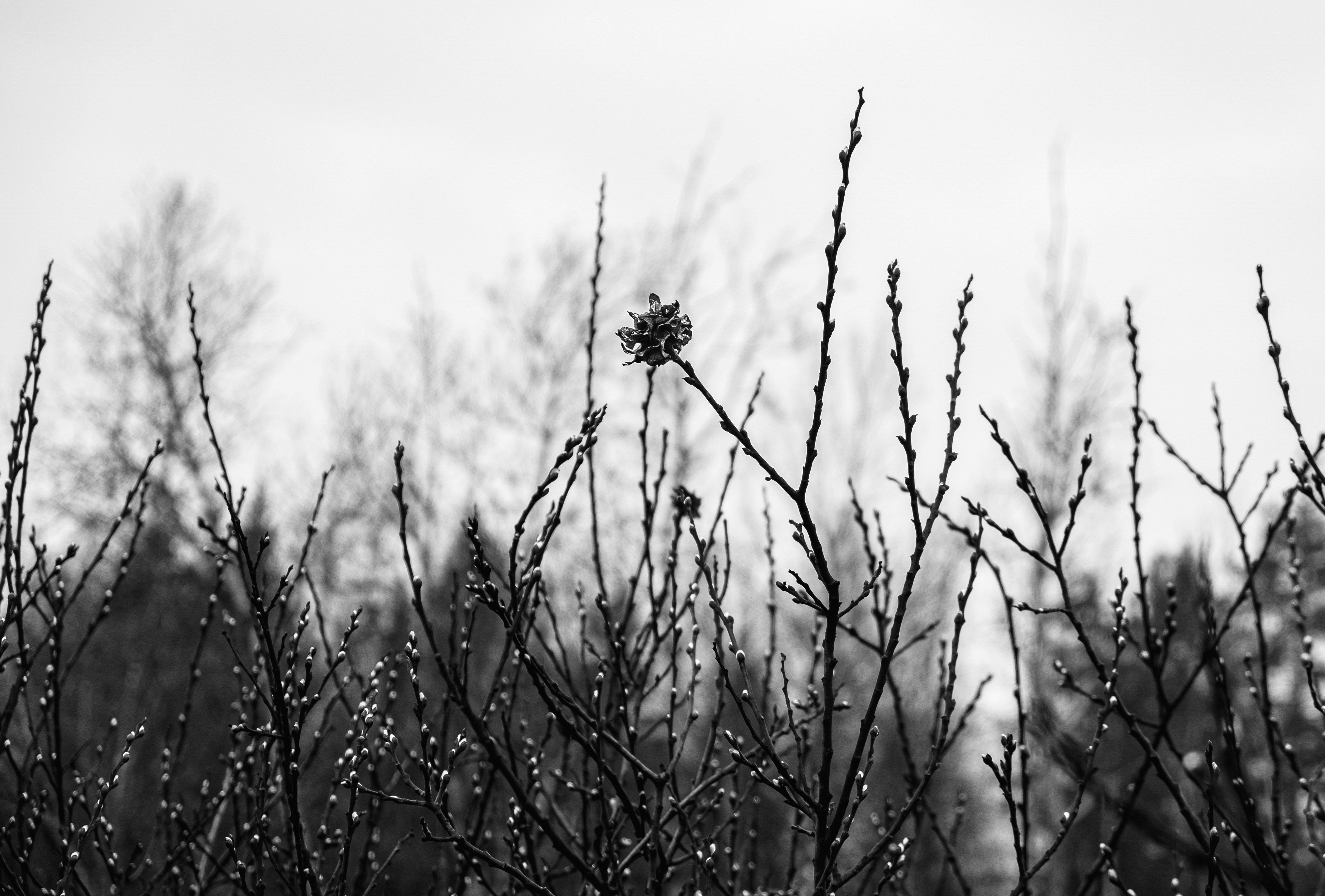
For better or worse, I’ve always been curiously drawn towards the darker sides of life. I seek out stories, memoirs, and movies that take me into the depths of human pain. The ones that break my heart wide open. My work in the therapy room takes me to those places, too. These are the conversations that feel the most real, the most honest, the most human, the most connecting.
If you ask me how I am in casual conversation, I tend to resist a superficial response. I’ll likely tell you something about what’s hard in my life right now. Not because I’m not interested in the positive, but because sharing what’s hard creates an intimacy, born of vulnerability. There’s a rawness and honesty, that offers an invitation for you to share deeply with me in return.
Not everyone understands this. Some see it as complaining. Others feel burdened, as though they need to ‘fix’ whatever I am sharing, or make me feel better. These are not my people. My people are the ones who can simply sit and hold space and can share deeply and honestly in return. Those who don’t rush to sugar-coat life, who aren’t interested in the Instagram-edited version. Those who are willing to touch the void inside their own existence, and acknowledge what is painful and hard.
Don’t invite me to your party if you want me to simply recount funny anecdotes and lighten the mood. I’m the one you’ll find sitting in the corner in a deep one-on-one about grief, fear, disappointment and shared vulnerability.
Call me strange, if you like, but this is where I come most alive.

Humans, on the whole, seem so afraid of the darker sides of life. We consider a rainy day ‘bad’ weather, rather than celebrating the replenishment of life-sustaining water supplies. We have a collective aversion towards winter, darkness, and the yin sides of life, instead of celebrating them as a vital and beautiful part of the whole - periods of rest, replenishment and deep essential internal work. Our Westernised culture wants to live solely in light and never in darkness, perpetual summer, without the rebalancing of winter, perpetual joy instead of the full spectrum of human emotion.
In the darkness of winter, in the deep pause around the shortest daylight hours, our Northern Hemisphere-centric world has created the biggest, brightest, most lavish, and manic of festivals. An invitation to outrun our darkness, if ever I saw one.

We invest vast amounts of energy running away from our internal shadows. Our grief, anger, shame, disappointment. Labelling the low periods as problems that need fixing and medicating, rather than periods of deep humanity, necessary to our survival and growth. Sacred periods that need handling with tenderness and care. That can offer opportunities for deep healing, wisdom, and repair.
Our shadow parts are often the parts of ourselves that we learned, as children, were not acceptable to others. Perhaps we received early messaging that our rage or our tears were not OK and threatened the security of our attachment to our caregivers, so we learned to split off those parts of ourselves and bury them out of sight. We learned to build a socially acceptable mask that would earn us the love and approval we needed for survival. We learned to be less than whole.

If I had one wish for humanity, it would be to embrace our darkness more fully.
I’m not talking about getting stuck in negative news cycles and doomscrolling, or trading judgement, blame, or gossip. I’m talking about connecting honestly to the complexity of our internal world, allowing all of our emotions to have space to breathe, allowing the world to break our hearts a little (or a lot), acknowledging what is real and painful. I’m talking about a willingness to meet this place in ourselves and in others. To hold space for what is hard.

When our shadow is not faced directly, not met, not felt, not witnessed, and not integrated, it tends to leak out in unhelpful ways, that can be downright destructive at times. Our unprocessed grief turns into anger, judgment, and hostility. It can turn into numbness, disconnection, and depression. Sometimes an anxious, manic energy builds, as we rush around, disembodied and disconnected from ourselves, trying to outrun our own pain and distract from inconvenient emotions. This is at the heart of so much suffering and conflict in our world.
The paradox is that as we face our shadow fully and deeply, as we find space to integrate what’s hard, to be witnessed and met in that place, our hurts begin to heal. And as we heal around our hurt places, we discover we are so much more than that. We find access to deep and profound joy, connection, and purpose.
We don’t visit the shadow in order to become stuck there, to revel in negativity, and find ourselves frozen in misery. We visit it to move through it, understand it, integrate it, and release it. We visit it to know ourselves more fully, inside and out. We visit it so that there is no longer anything to fear, anything to avoid, to numb or escape from. So that we can step more fully into our aliveness and humanity. So that we can live full three-dimensional lives.

There are gifts contained within the shadow. It’s often where wisdom is sourced. It’s where compassion is seeded.
It is through exploring the darkness that we regain access to our light. When we disconnect from one, we disconnect from both. We disconnect from ourselves and each other, and from the pain of the planet.
It takes enormous amounts of psychic energy to suppress and avoid our pain. When we finally turn and face it, we get to reclaim that energy and direct it elsewhere.
This is what it is to be connected, embodied, alive.
This is the work of therapy, of growth, of healing.
This is the work that can save us.

Thank you for reading. I’d love to hear - what is your relationship to your shadow? And have you experienced the energy that can arise from facing into it? I always value your comments and feedback, and I take the time to respond to everyone.
If you value what you read here, you can support my work by liking and sharing this post, and by becoming a free or paid subscriber to The Therapy Room. All content is currently available free, but the generous souls who have taken out paid subscriptions help to make this possible and sustainable.
Disclaimer - Content is intended for educational and entertainment purposes only and is not a substitute for individualised mental health treatment or advice.
This resonates deeply. The way you write about darkness not as pathology but as contact — as the place where honesty, intimacy, and humanity live — feels so grounding. I recognised myself in your resistance to the polished answer, and in the quiet longing to be met in what’s real rather than what’s presentable.
I was especially struck by how clearly you name our collective fear of shadow — the rush to fix, brighten, reframe, or outrun what is hard. Your framing of winter, pause, and darkness as necessary rather than defective feels both compassionate and quietly radical in a culture that prizes perpetual light.
The part about shadow being made in relationship — learned early, shaped by what was or wasn’t safe to show — landed strongly. It holds so much tenderness without collapsing into blame, and it explains so much of what later shows up as disconnection, anger, or numbness.
Reading this also helped me articulate something about my own process. For me, writing has become one of the ways I stay with the work of therapy — a place where I can sit with what’s difficult, let it be seen, and make sense of it without needing to resolve it too quickly. Each piece feels like an act of integration rather than explanation.
Thank you for naming this work so clearly — not as dwelling in darkness, but as the path back to wholeness, aliveness, and real connection. This feels like something worth returning to.
Thankyou for this insightful reflection on embracing our shadow side. An essential process in the journey to becoming a therapist.
For me the biggest challenge in my career as a Clinical Psychologist has been helping a small group of complex clients face and own the darkness within.
I do love the way that EMDR provides a safe vehicle to transport a client through the darkest moments (often of trauma )in their life. This process has been transformative and life giving for many. It allows one to look darkness in the eye, embrace it and “dissolve” its power.
However there are those clients who “leak” and rather than embrace and fully process the dark side of themselves, use their energy to blame and judge others.
They find themselves caught up in an endless viscious cycle of “other destruction” which ultimately leads to self destruction and alienation.
They can achieve moments of insight and become “meta” to the darkness but are then swiftly sucked back into the void.
These for me are the most challenging of clients and continue to be as I have become the target of their inner turmoil and rage, their darkness projected outwards.
I would be very interested in how you navigate these situations and stay with the client?
I have found myself having to withdraw for self preservation.